Carlos Tavares Was Reportedly Solely Responsible For Killing the HEMI
With Carlos Tavares gone, insiders reveal the leadership struggles that shaped Stellantis’s controversial decisions.
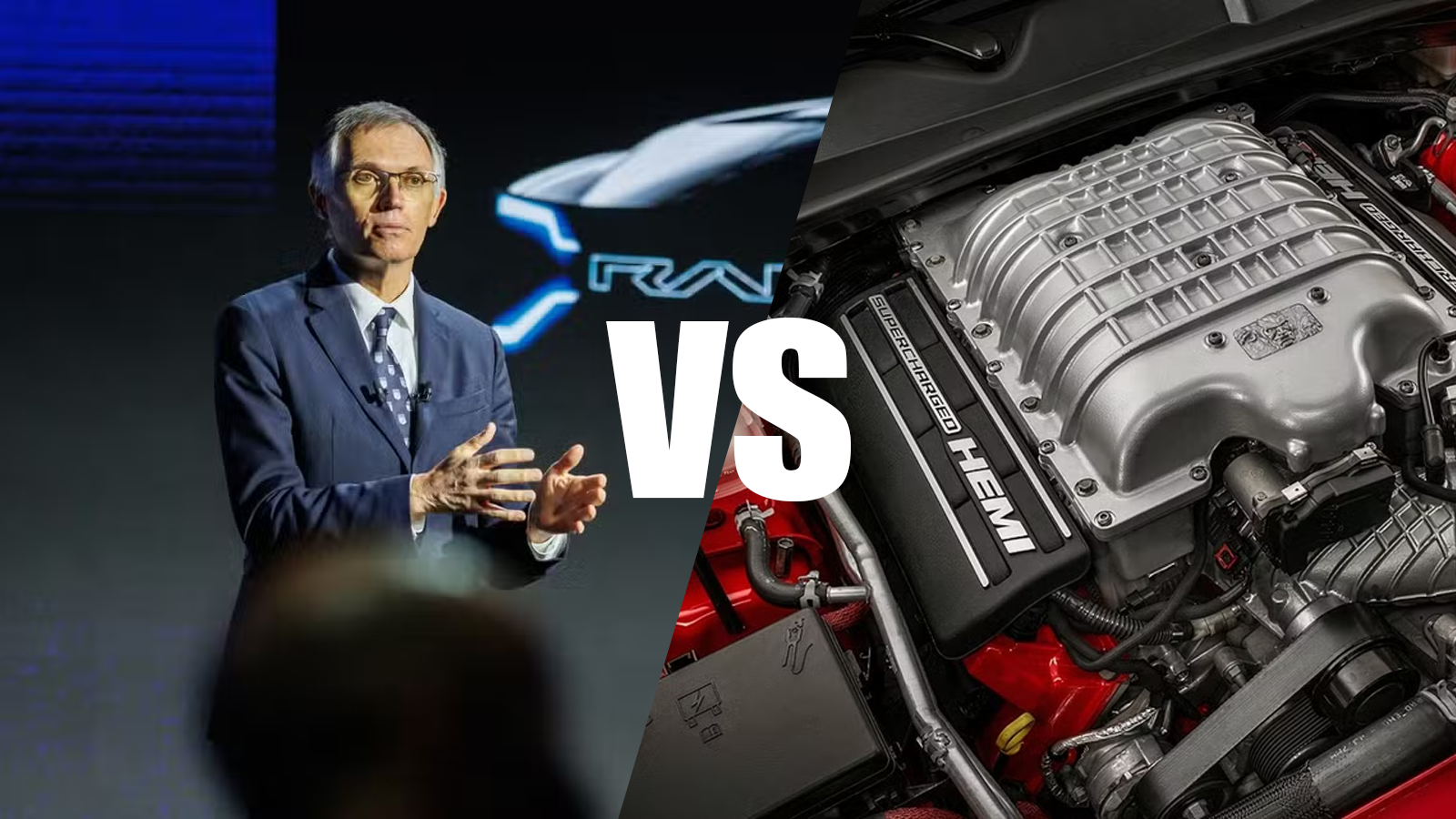
Stellantis recently parted ways with CEO Carlos Tavares following a challenging tenure marked by internal discord and strategic missteps. According to sources speaking anonymously to CNBC, Tavares’s leadership style strained relationships within the company, especially in North America. His departure has prompted renewed speculation about the future direction of the global automaker.
Electrification at All Costs
Tavares’s single-minded push for electrification became a major point of contention. Insiders described him as dismissive of U.S. executives’ market insights, especially regarding the iconic Hemi V8 engine. “Everybody wanted to keep [the Hemi],” said one source, emphasizing internal resistance to discontinuing the beloved powertrain. However, Tavares remained resolute, prioritizing EVs and profitability.
The CEO’s European-centric management approach also alienated U.S. staff. His decision-making reportedly ignored American market dynamics, leading to unpopular moves like cutting the Hemi from passenger models and launching electric vehicles ahead of gas-powered alternatives. As one former executive noted, “The center of the company was in France,” highlighting a perceived disconnect.

Cost-Cutting Consequences
Tavares’s aggressive cost-cutting agenda compounded the unrest. Efforts included outsourcing critical engineering tasks and micromanaging budgets, leaving U.S. leaders feeling constrained. This tightening grip reportedly drove away key executives, including former Dodge and Ram CEO Tim Kuniskis, who has since returned after Tavares’s exit.
Stellantis is now led by an interim executive committee chaired by John Elkann, who signaled a cultural reset by ending the controversial cost-cutting program dubbed ‘Darwin.’ “Darwin is dead because we intend to survive,” Elkann reportedly declared. While hopes remain high for the Hemi’s potential revival, the company’s long-term strategy hinges on finding a leader capable of balancing electrification with market-specific demands.