From Dodge to Jeep to Alfa Romeo, Stellantis accounts for an outsized share of America’s leftover new-car inventory as pricing and product strategy collide with a cooling market.
Stellantis Stockpile
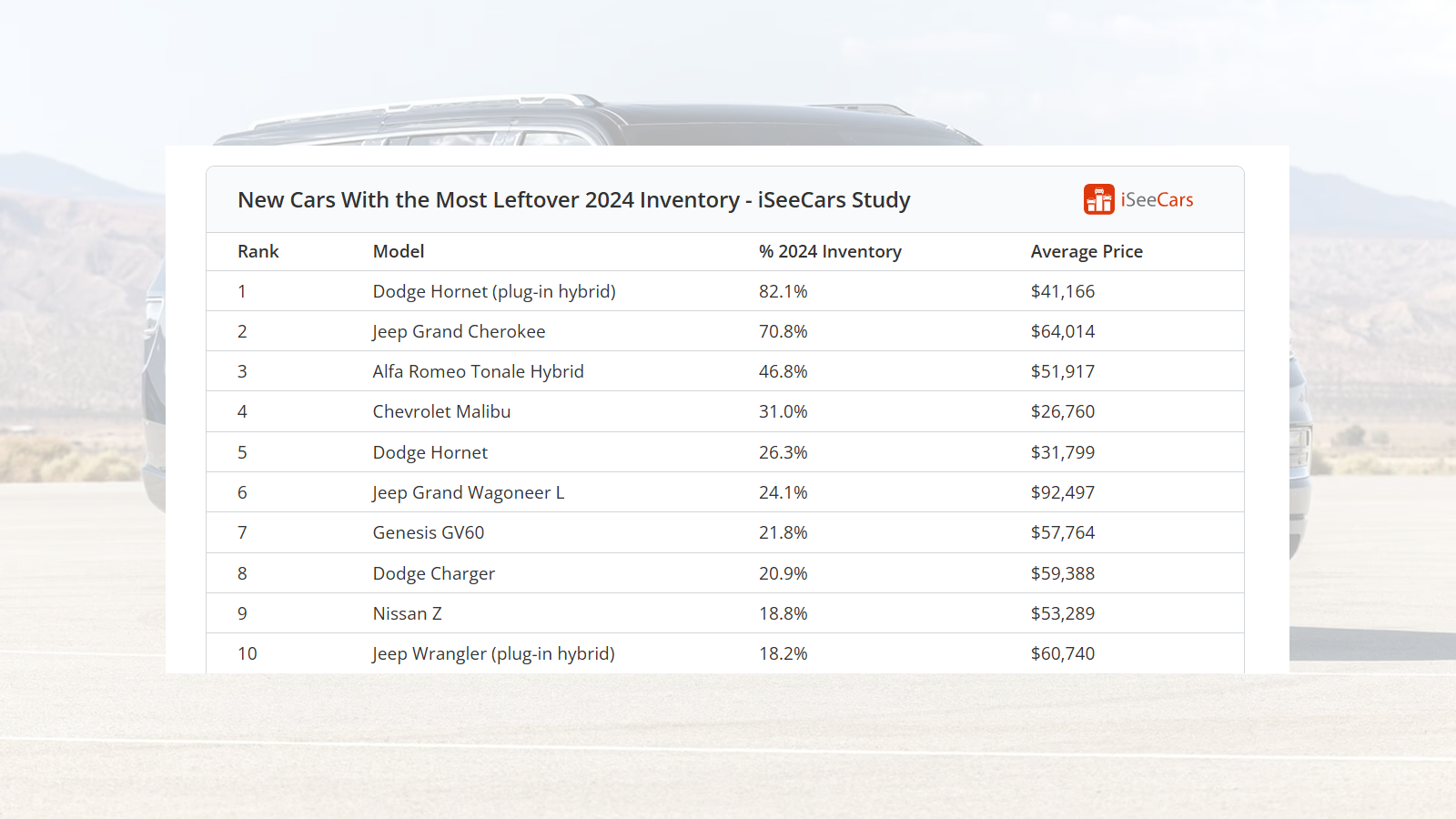
U.S. dealership inventory crossed an unusual threshold late last year, topping 3 million vehicles nationwide by November, a level not seen since late 2024. While most of that total consists of newer 2026 models, a closer look at leftover 2024 inventory reveals a striking pattern: Stellantis brands dominate the list by a wide margin. According to market data, no automaker comes close to matching Stellantis’ concentration of aging stock across multiple nameplates and segments.
Source: iSeeCars
Hornet Problem
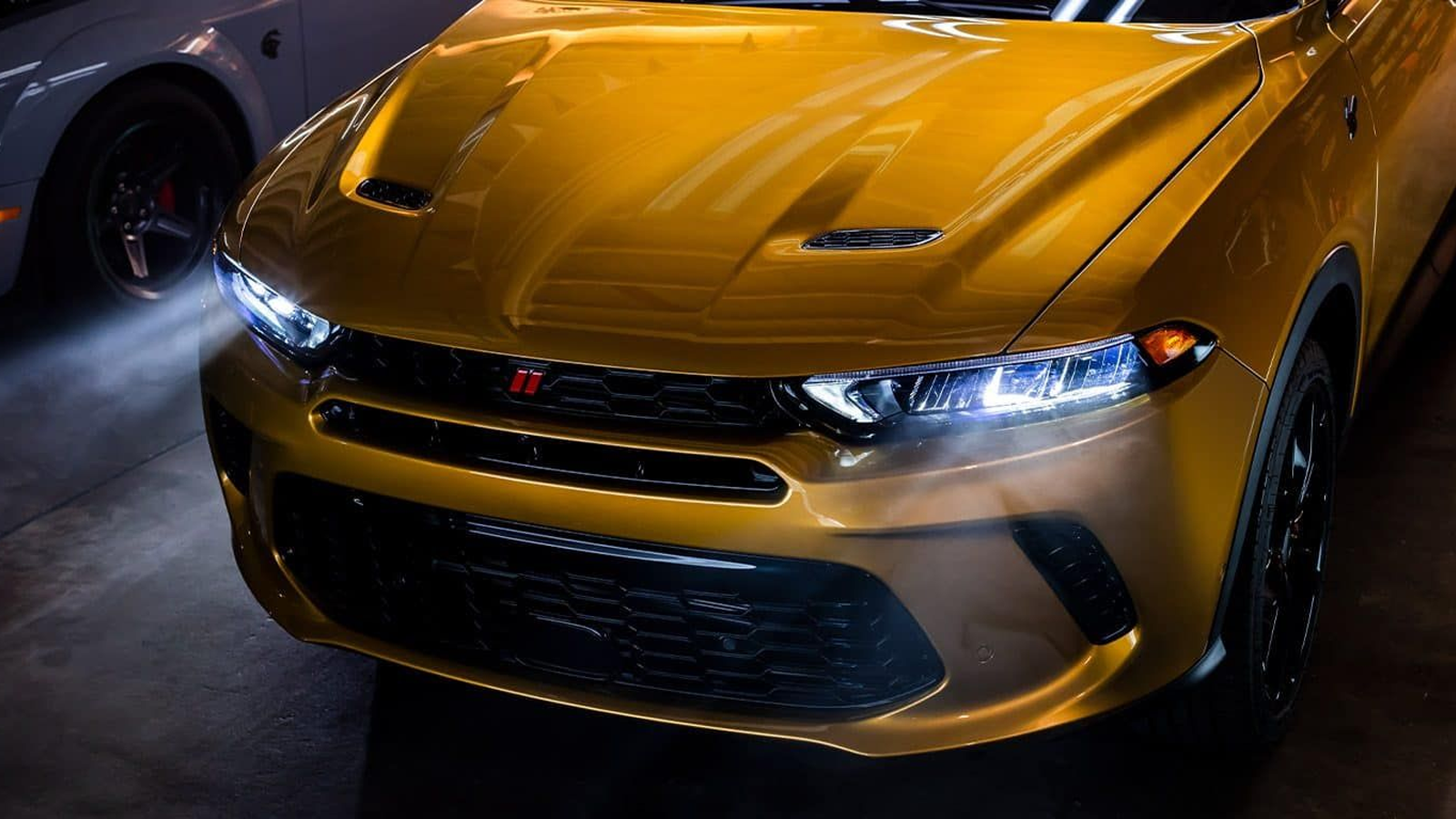
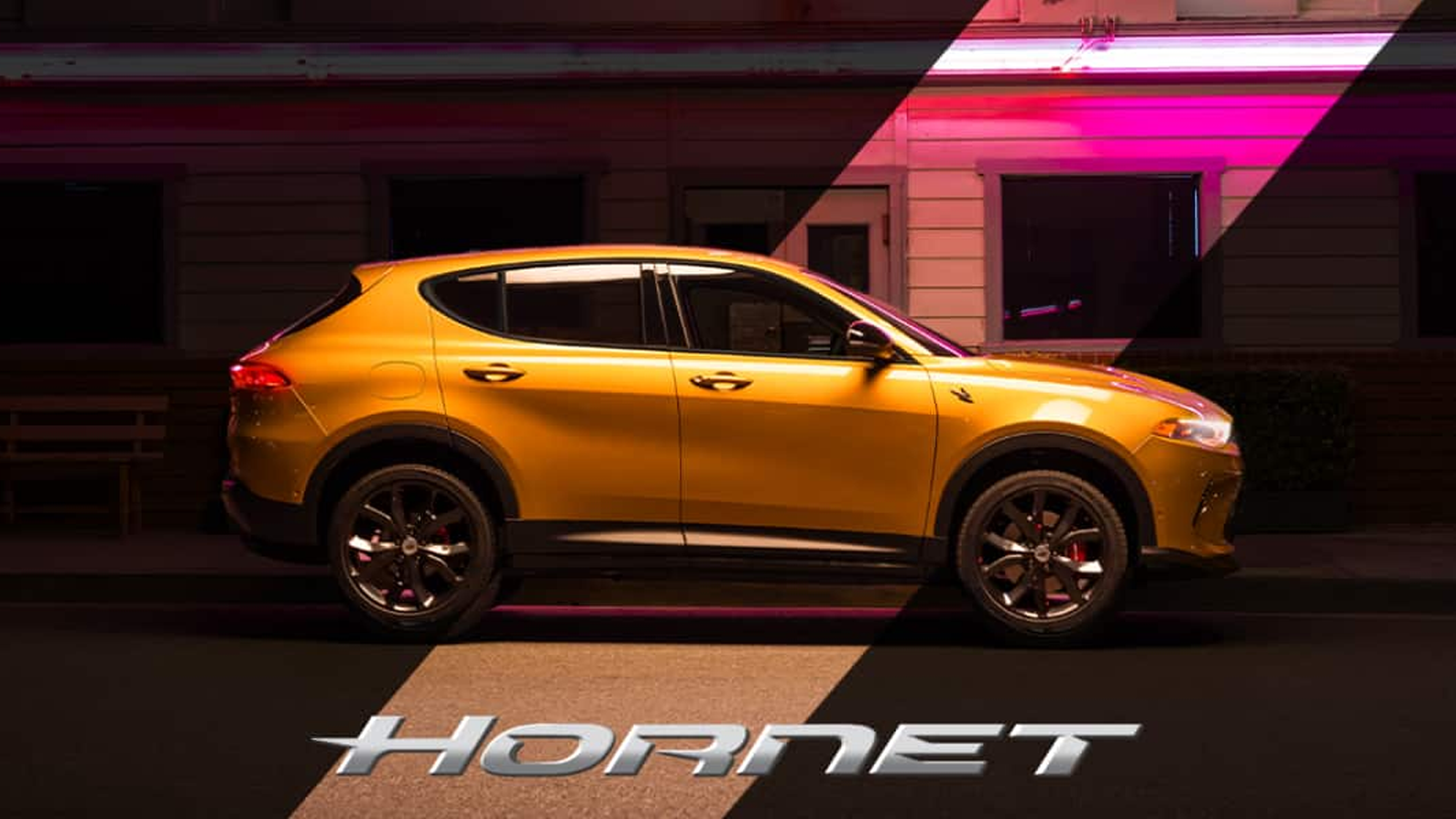
The clearest example is the 2024 Dodge Hornet Plug-In Hybrid, which leads the entire industry with 82.1 percent of its original inventory still unsold, despite an average transaction price north of $41,000. Even the gas-powered Hornet appears separately on the list with 26.3 percent of 2024 units lingering on dealer lots. Combined, the two entries underscore how badly Dodge’s compact crossover rollout has missed buyer expectations in a market that has become highly price-sensitive.
Jeep’s Inventory Hangover
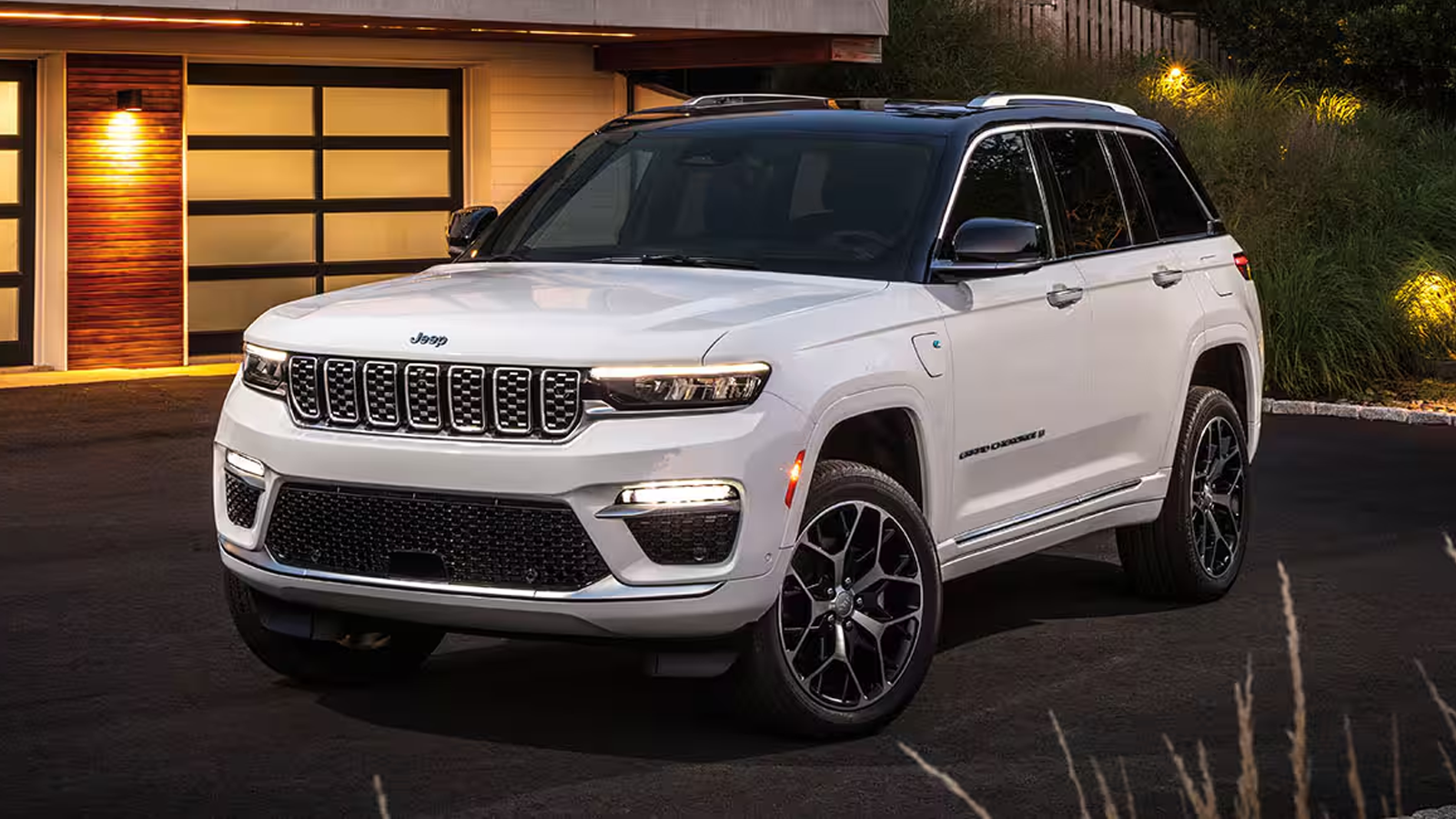
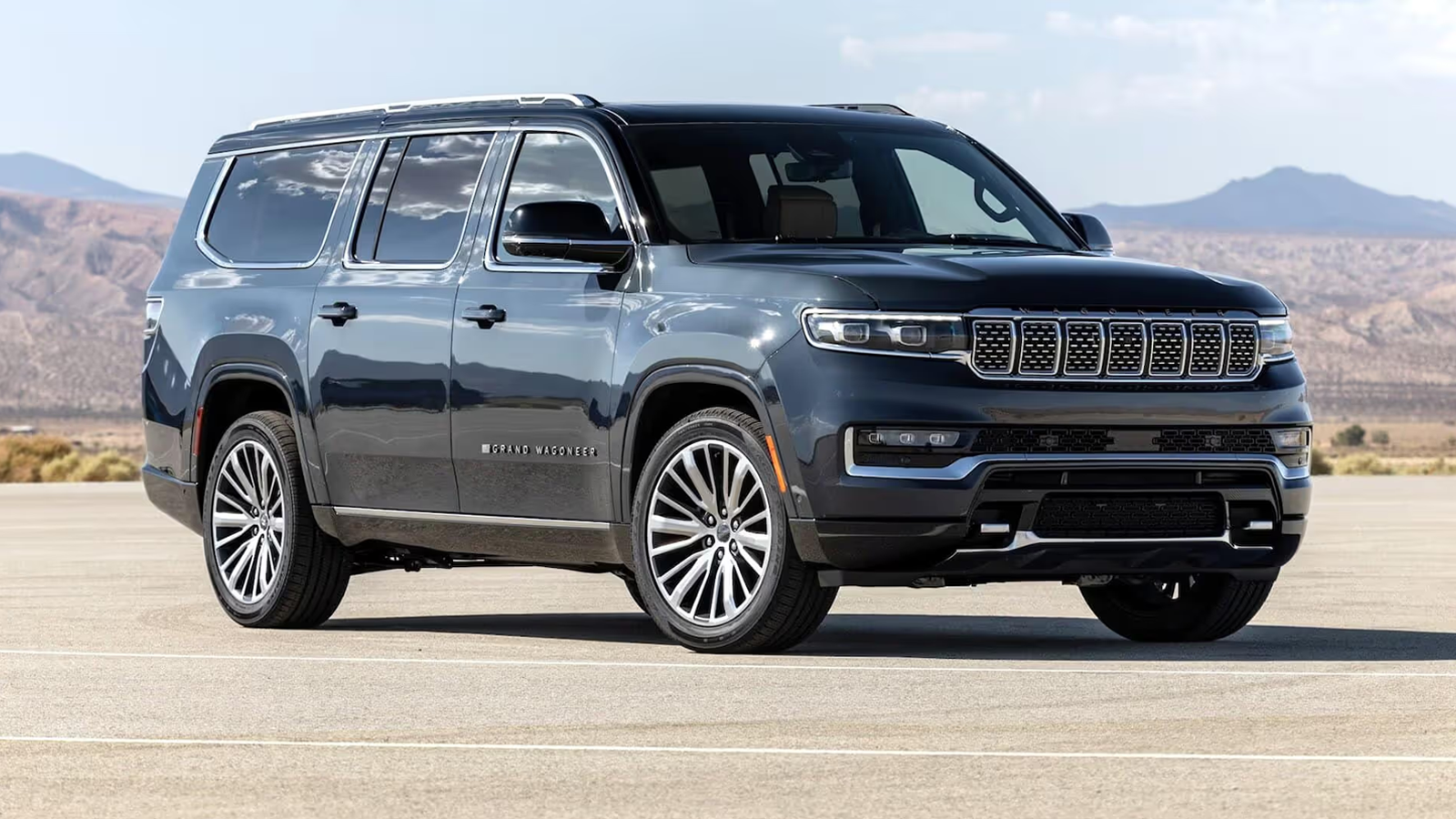
Jeep, another core Stellantis brand, follows closely behind. The 2024 Jeep Grand Cherokee ranks second overall, with 70.8 percent of its inventory unsold at an average price exceeding $64,000. Higher up the price ladder, large SUVs haven’t fared much better: the Grand Wagoneer L (24.1%), Grand Wagoneer (12.9%), Wagoneer L (7.4%), and even the Wrangler 4xe (18.2%) all appear on the same list. The sheer number of Jeep models represented points to a portfolio-wide slowdown rather than a single misstep.
Alfa Romeo’s Slow Burn
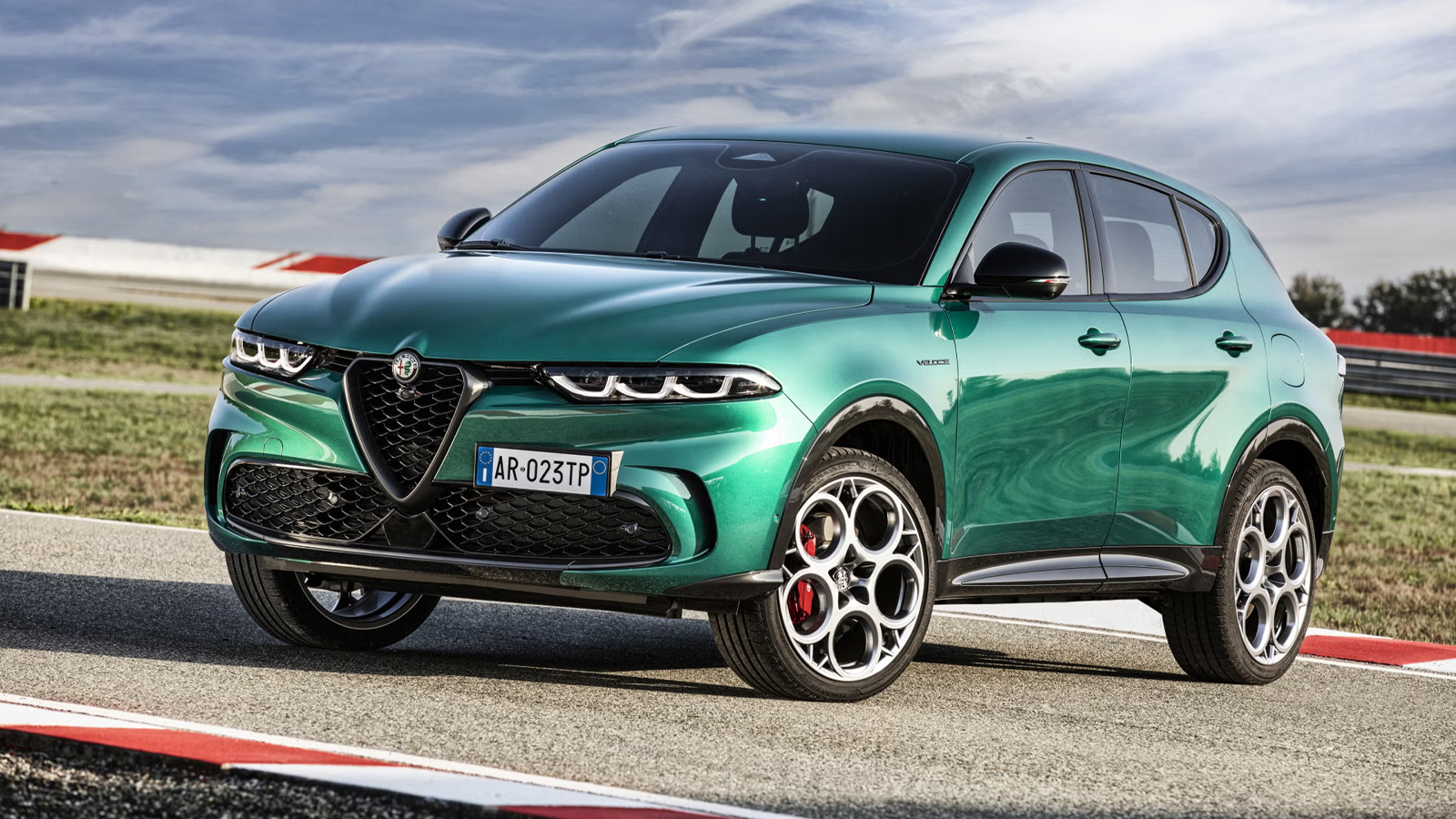
Stellantis’ challenges extend beyond its mainstream brands. The Alfa Romeo Tonale Hybrid holds third place overall, with 46.8 percent of 2024 inventory still available at an average price of nearly $52,000. The Giulia (9.8%) and Stelvio (7.6%) also make appearances further down the rankings. While Alfa Romeo operates at lower volumes than Dodge or Jeep, its repeated presence highlights how premium positioning alone hasn’t insulated it from sluggish demand.
A Stellantis-Heavy Top 10
Of the top 10 vehicles with the most leftover 2024 inventory, six come from Stellantis brands: Dodge, Jeep, and Alfa Romeo. That dominance stands in sharp contrast to the industry-wide average, where only 0.4 percent of 2024 models typically remain unsold. Even when compared to notable outliers like the discontinued Chevrolet Malibu (31%), Stellantis’ figures are unusually concentrated and persistent.
Prices Aren’t Giving Way
What makes the situation more striking is that pricing hasn’t meaningfully softened, despite the excess supply. The average new-car listing price in November sat at $49,422, near a record high. As Karl Brauer, executive analyst at iSeeCars, put it: “New vehicle prices remain near record highs, presenting a challenge to shoppers seeking a good deal on a new car.” He added that leftover models can still offer an opening for buyers, “if dealers are struggling to move an older, leftover 2024 or 2025 model.”
Bigger Than One Model Year
While other automakers appear on the list, none do so with the same frequency or breadth. Stellantis’ presence spans compact crossovers, midsize SUVs, full-size luxury haulers, and premium European sedans. That spread suggests the issue isn’t confined to one segment or powertrain, but rather reflects broader challenges in aligning pricing, product mix, and consumer expectations in a rapidly shifting market.
Market Reality Check
With inventories remaining elevated and prices still hovering near historic highs, Stellantis’ heavy footprint on the leftover list serves as a case study in what happens when production momentum collides with slowing demand. Whether deeper incentives arrive, or whether these vehicles continue to age on dealer lots, will likely shape how aggressively the company recalibrates its U.S. strategy moving forward.