
Dodge May Be Putting a Hemi V8 Under the Hood of the New Charger After All!
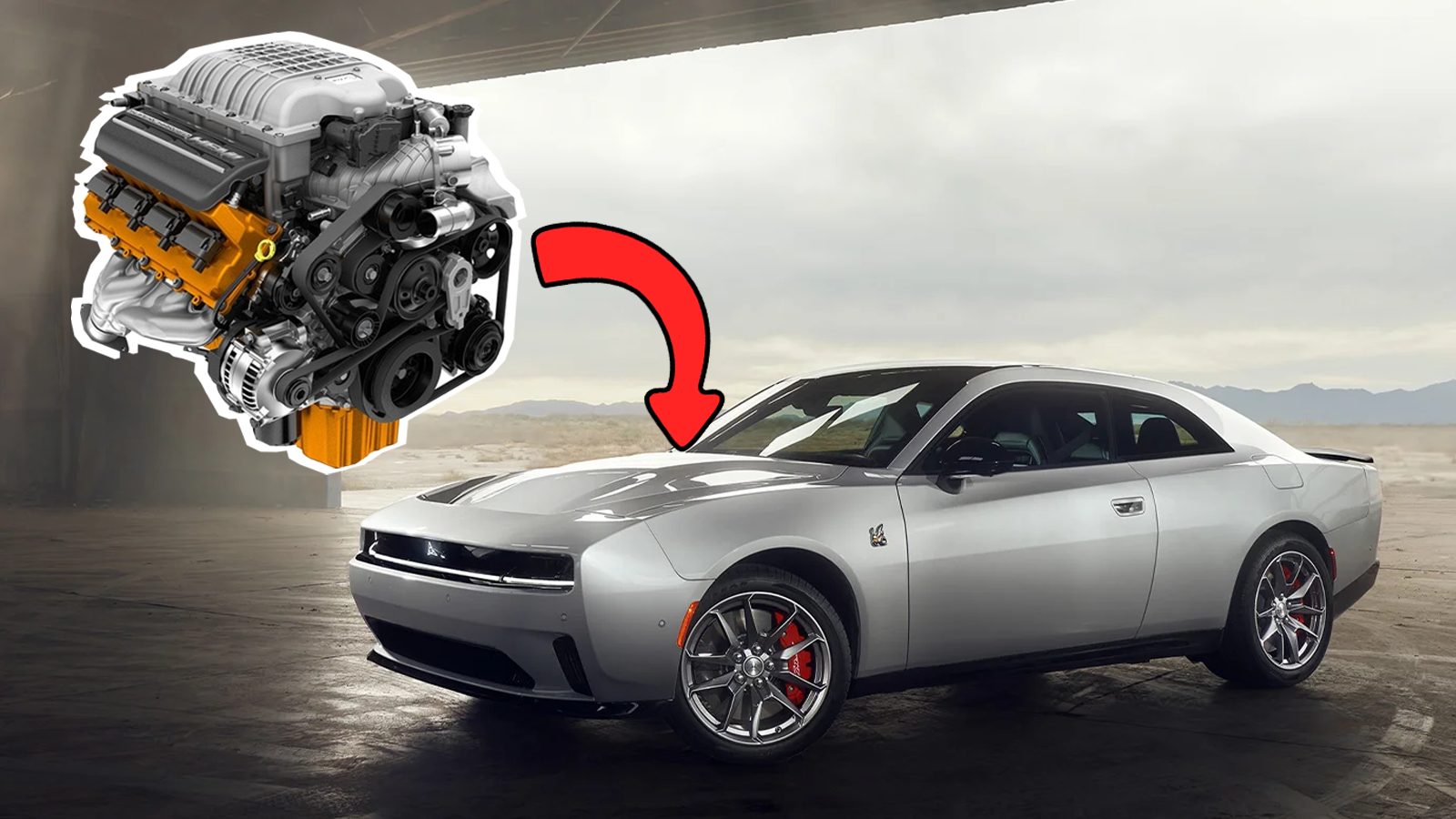
Sources claim a supercharged Hellcat variant is being engineered for the Charger’s 2028 mid-cycle refresh.



Electric Shift
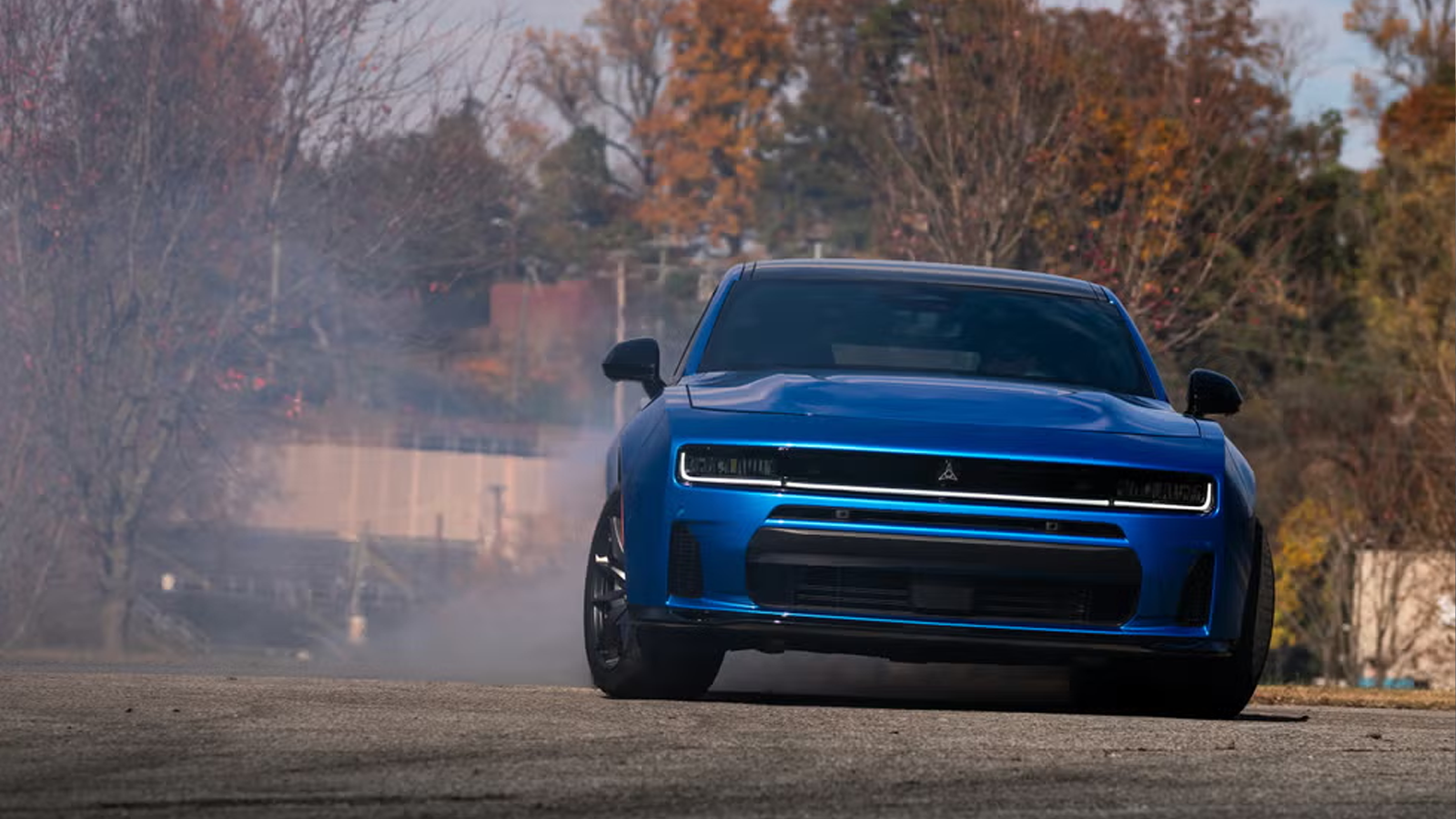
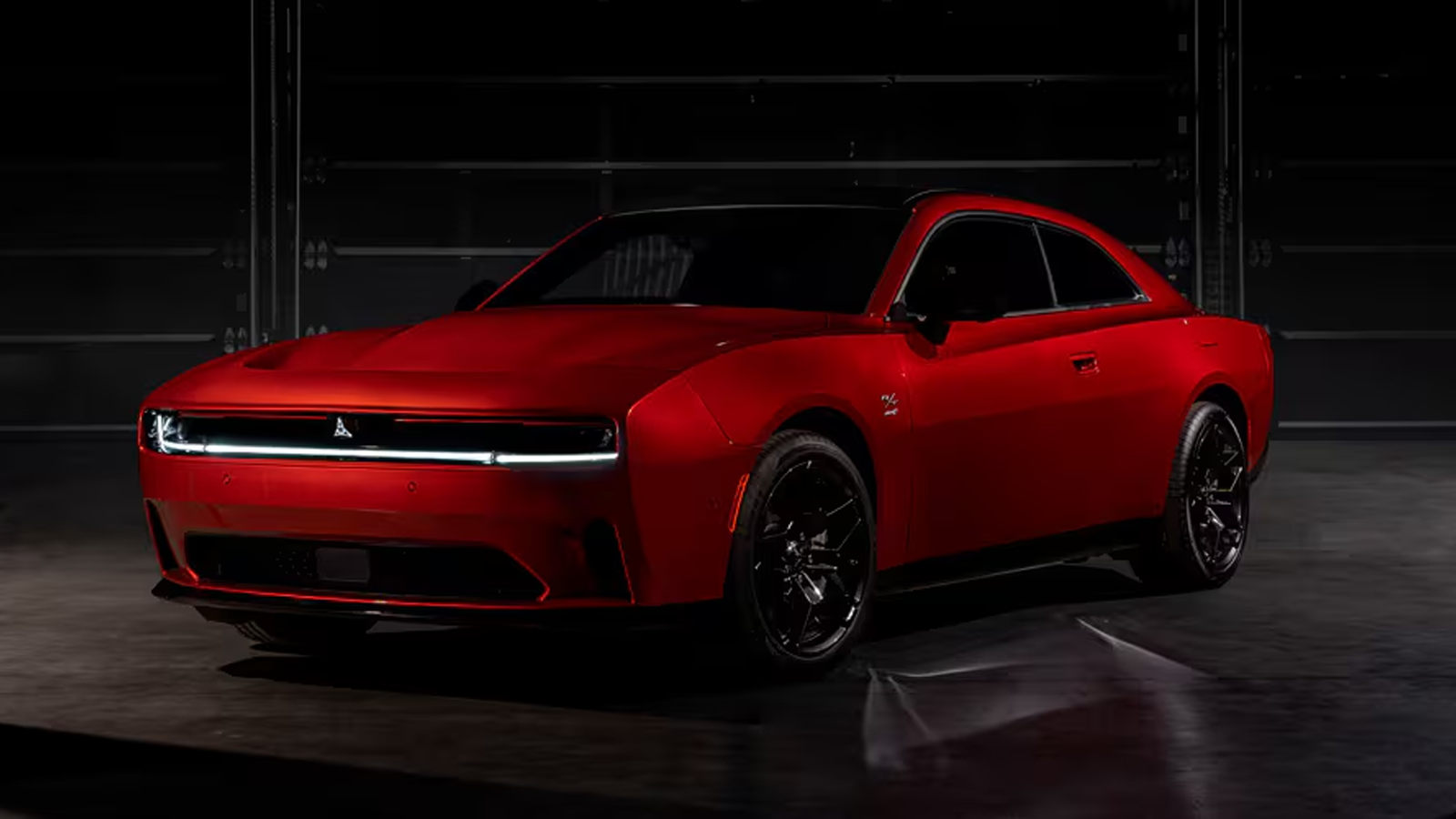
When Dodge unveiled the latest Charger, the message seemed clear: the brand was pivoting. The new-generation model arrived on the STLA Large platform with either the all-electric Charger Daytona or the Hurricane inline-six-powered Sixpack variants.
On paper, the Hurricane engines make a compelling case. In high-output form, the twin-turbo 3.0-liter inline-six produces up to 550 horsepower, surpassing the old 5.7- and 6.4-liter Hemi V8s in outright output. But for a segment of the brand’s audience, output numbers alone were never the point.
The Rumor Mill
According to a report from MoparInsiders, Stellantis has allegedly green-lit development of a Hellcat-powered Charger for the 2028 model year. While nothing has been officially confirmed, the timing aligns with the model’s anticipated mid-cycle refresh.
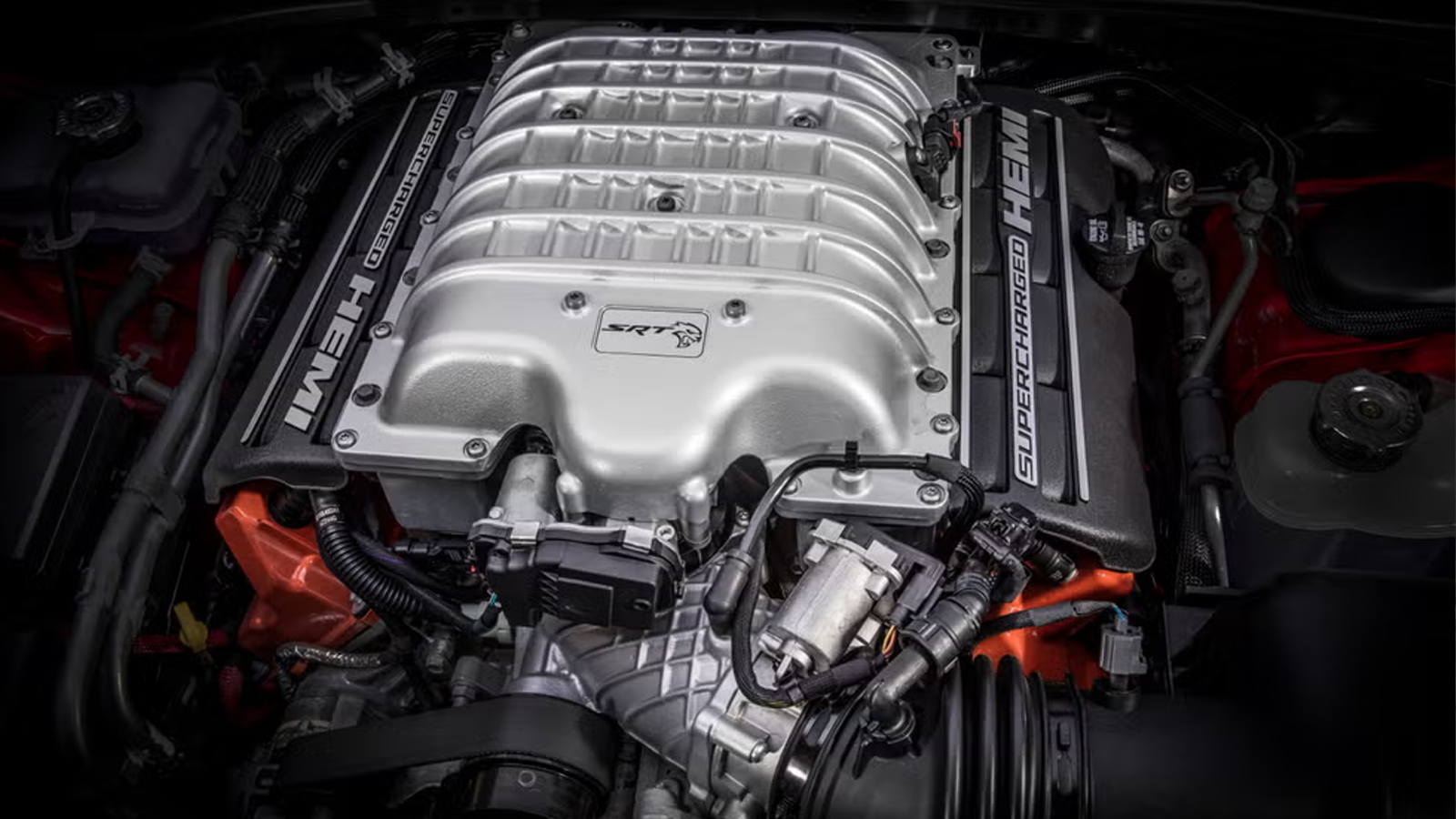
If accurate, this would mark a significant recalibration of Dodge’s publicly stated direction. Integrating the supercharged 6.2-liter Hellcat V8 into the new platform would require substantial engineering work, particularly around emissions compliance, cooling systems, and calibration. Fitting a high-output V8 into a chassis originally launched with EV and six-cylinder options is not a plug-and-play exercise.
Executive Hints
Senior leadership has been careful—but not dismissive—when discussing the possibility of a V8 return. Former SRT boss and current Ram CEO Tim Kuniskis has previously indicated that if a V8 were to reappear in the Charger lineup, it would have to be the Hellcat.
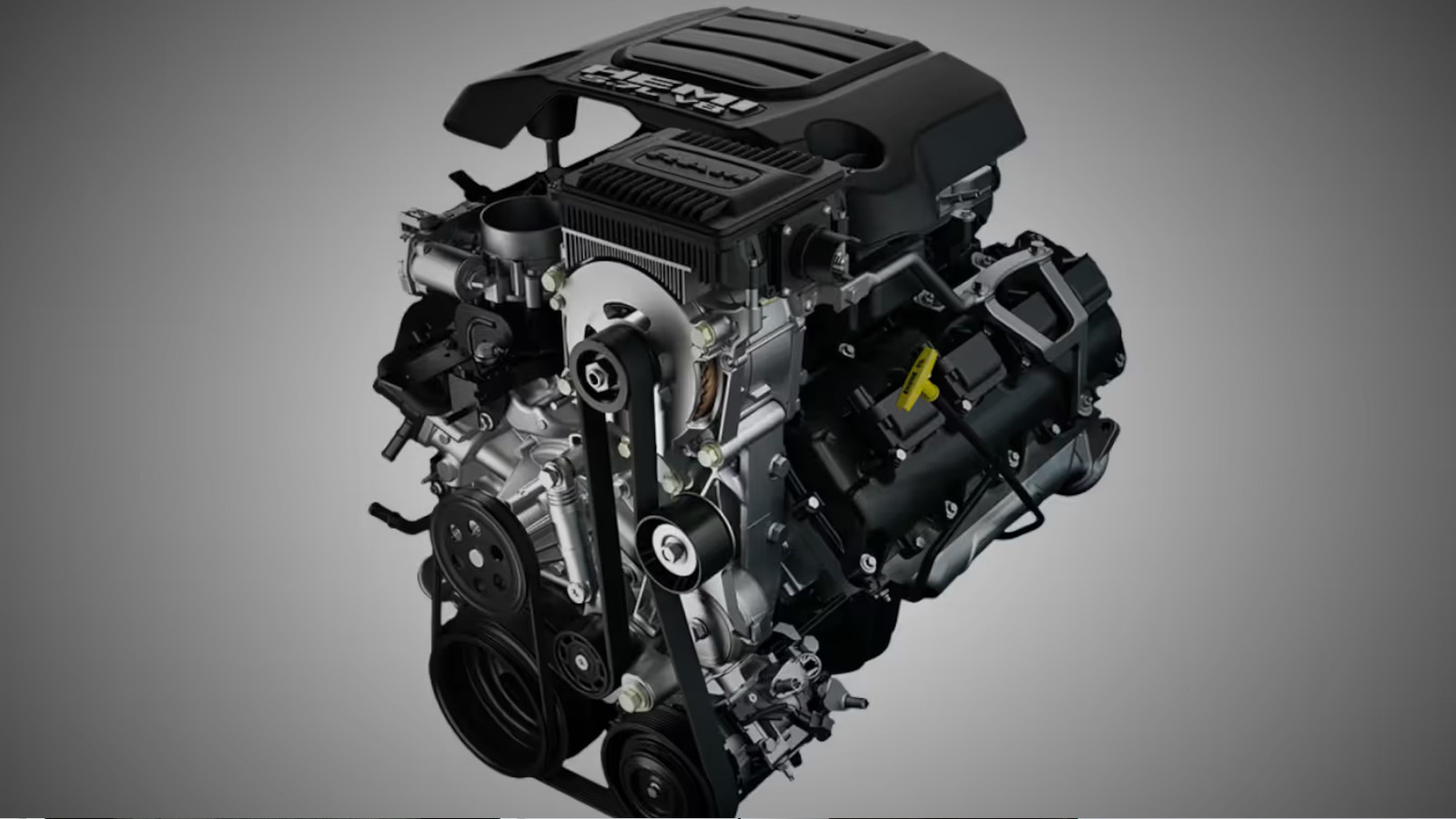
He has been clear that the 5.7- and 6.4-liter engines would not return, largely because their performance envelopes are already eclipsed by the Hurricane six. Similarly, Dodge CEO Matt McAlear has avoided ruling out the physical feasibility of packaging a Hellcat in the new Charger, despite earlier suggestions that it would not fit. The language has shifted from “impossible” to “don’t be surprised.”
Why Not the Smaller Hemis?
From a performance standpoint, the logic is straightforward. The Hurricane I6 already outguns the 5.7-liter Hemi and rivals or exceeds the 6.4-liter in horsepower. Reintroducing either would create internal redundancy. The Hellcat, however, occupies a different tier.
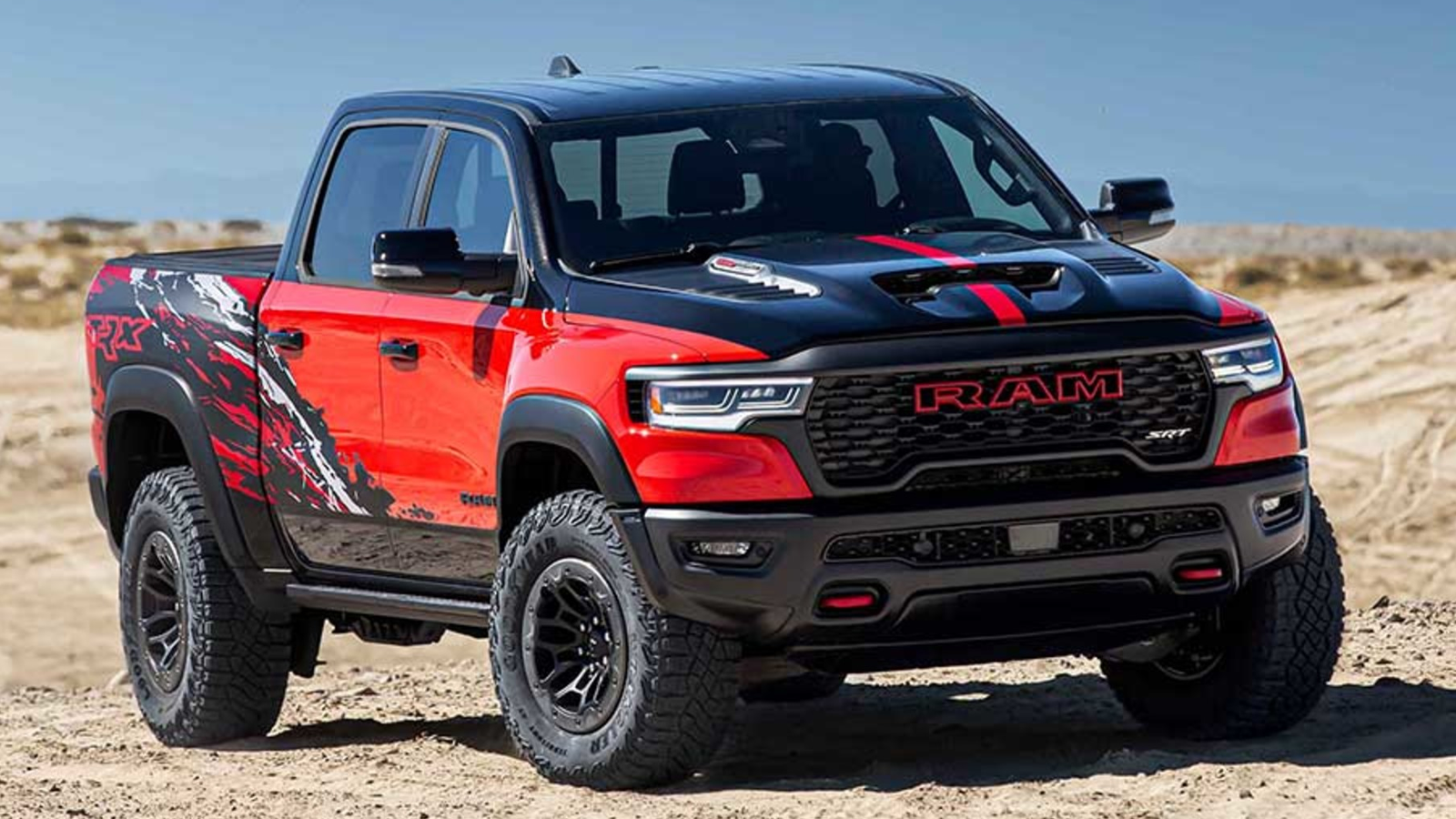
The previous-generation Charger SRT Hellcat produced 717 horsepower in standard form and up to 807 horsepower in Redeye specification. In today’s performance landscape, and by 2028 standards, that original 717-hp figure may not be sufficient. Reports suggest that updated Hellcat hardware, similar to what’s expected in the 2027 Ram TRX revival, could push output toward 777 horsepower or beyond. In a heavier, larger-bodied new Charger, that extra margin would help preserve the model’s reputation as a straight-line heavyweight.
TRX as a Precedent
The reintroduction of the Hellcat-powered Ram TRX signaled that high-displacement performance isn’t entirely off the corporate roadmap. That truck’s return demonstrated that halo vehicles can generate strong margins even at relatively low production volumes. Performance flagships serve a dual purpose. They generate profit, but they also reinforce brand identity. For a company like Dodge, whose modern reputation was built on excess, the absence of a range-topping V8 leaves a noticeable gap.
Racing Teasers
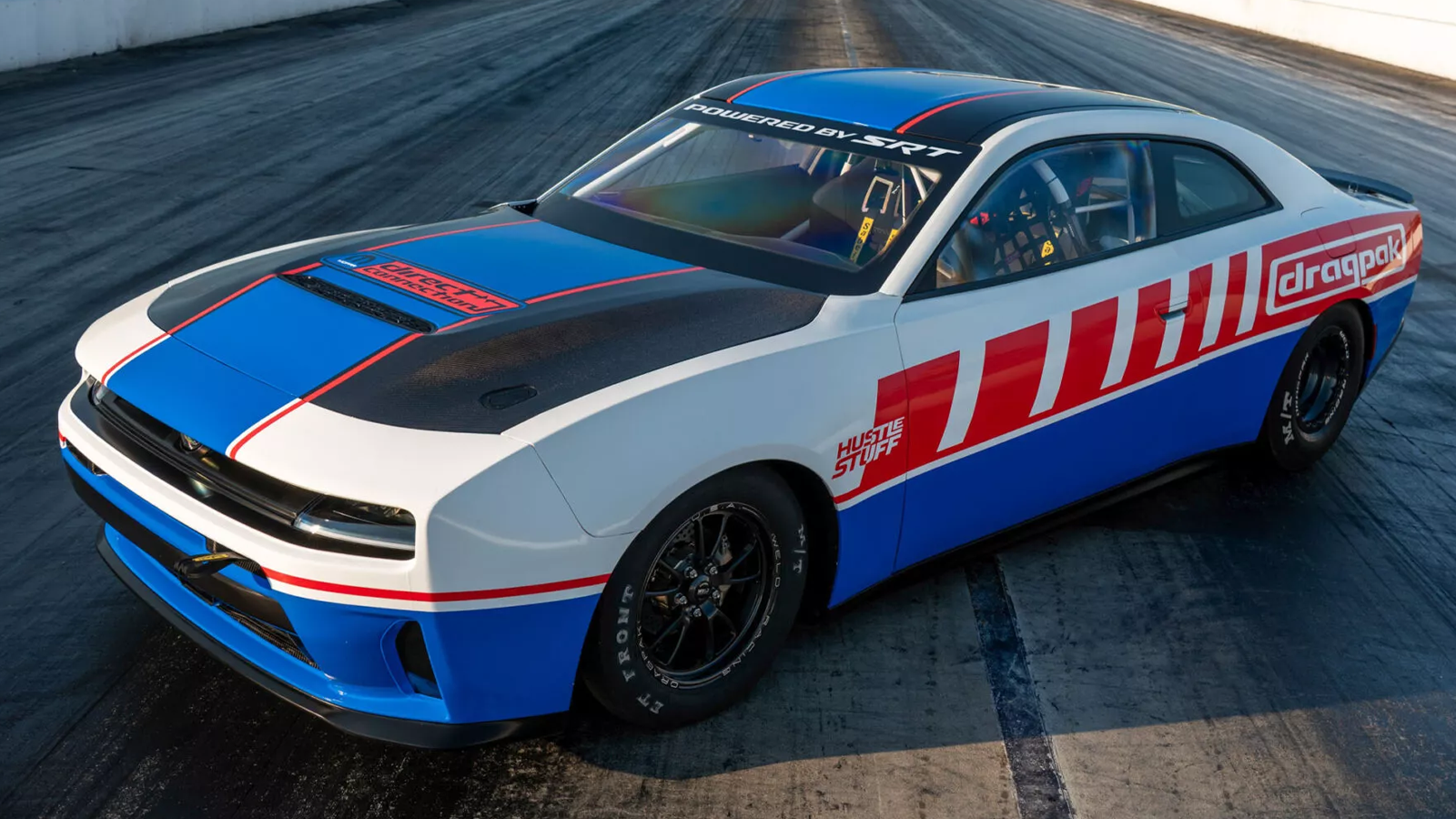
Further fueling speculation is the limited-production 2026 Charger “Hustle Stuff” Drag Pak, a race-only model built for NHRA competition. Just 50 examples were offered at approximately $235,000 each. Each car uses a 354 cubic-inch (5.8-liter) Gen III Hemi V8 with a forged rotating assembly and a 3.0-liter Whipple twin-screw supercharger. While not street-legal, the Drag Pak demonstrates that Dodge continues to develop and refine Hemi-based performance hardware within the new Charger’s ecosystem.
Emissions Reality
Industry-wide emissions regulations remain a complicating factor. Any Hellcat revival would require updated compliance strategies, particularly in North America and Europe. However, recent regulatory softening in certain markets has made limited-production, high-output models more feasible than they appeared a few years ago. That broader regulatory climate may be part of the reason this rumor has gained traction now rather than earlier in the Charger’s lifecycle.
A 2028 Halo?
If the report proves accurate, the 2028 Charger SRT Hellcat would likely debut alongside the platform’s mid-cycle refresh, injecting renewed attention into the nameplate. It would also position Dodge against increasingly powerful competitors, including boosted V8 rivals from Ford and others.
For now, the Hellcat’s return remains unofficial. But the combination of executive comments, TRX precedent, drag racing programs, and credible insider reporting suggests the idea is more than wishful thinking. Whether it ultimately produces 777 horsepower or something even more aggressive, one thing seems clear: if a V8 does return to the Charger, it won’t be subtle.