
10 Rarest Mopar Muscle Cars of All Time
Mopar muscle cars defined an era of high-performance American engineering, but some of their rarest models remain virtually unknown to all but the most dedicated collectors.


Intro
Mopar muscle cars are some of the most revered machines in automotive history, known for their raw power, aggressive styling, and dominance on both the streets and the drag strip. While many of these vehicles were produced in relatively high numbers, a select few were built in extremely limited quantities, making them highly sought after by collectors. Whether due to high costs, changing market demands, or performance-focused engineering, these rare Mopars have become legends in their own right. Here , we explore ten of the rarest Mopar muscle cars ever made, detailing their production numbers, performance capabilities, and historical significance.
1967 Dodge Coronet W023 (55 Units)
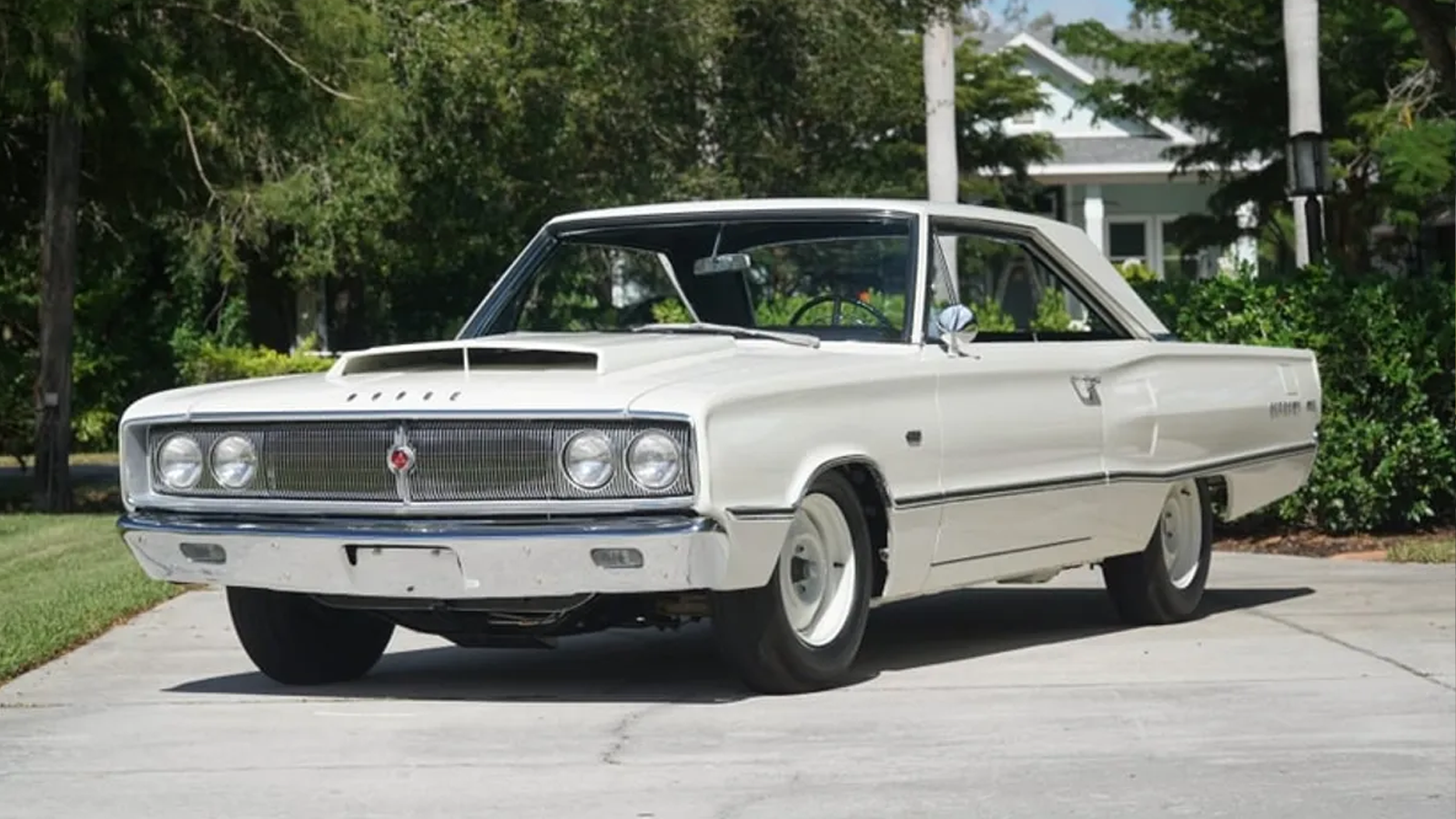
Much like its Plymouth counterpart, the Dodge Coronet W023 was designed strictly for the drag strip. It featured a bare-bones interior, lightweight construction, and a 426 HEMI tuned for maximum power. Dodge removed even basic amenities like a heater and windshield wipers to shave off weight, bringing the curb weight down to 3,451 pounds. Of the 55 units built, 39 were fitted with the 727 Torqueflite automatic transmission, making them lethal at the drag strip.
1967 Plymouth Belvedere II R023 (55 Units)
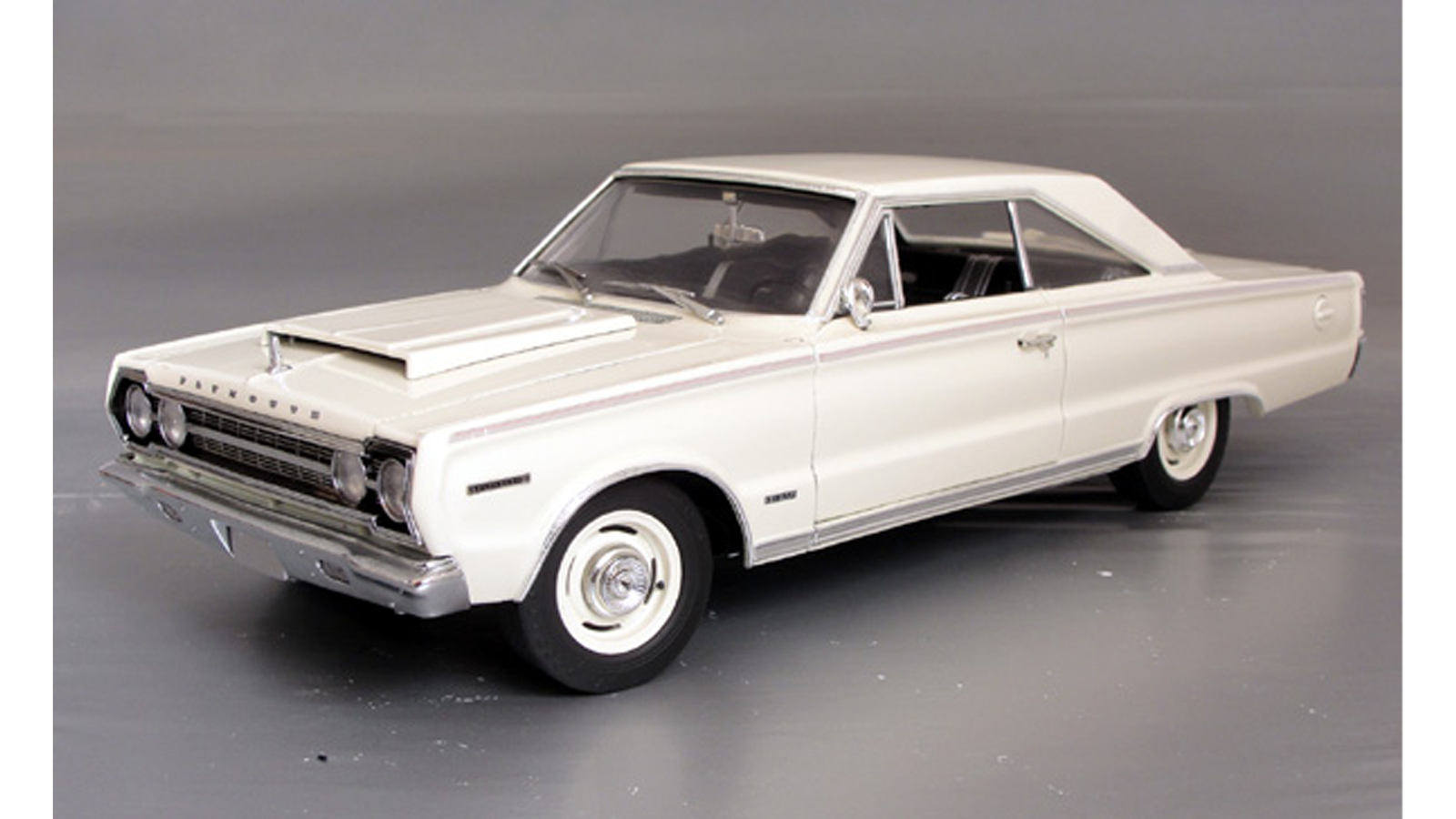
Plymouth’s answer to Dodge’s drag racing dominance was the Belvedere II R023. Like other factory drag racers, it was built to be as light as possible, with no sound insulation, radio, or unnecessary trim. The 426 HEMI was fitted with high-performance internals, and a 4.88:1 Sure Grip rear end helped maximize acceleration. Only 55 of these track-focused machines were ever produced, and just 17 were equipped with the A833 four-speed manual transmission.
1968 Plymouth Barracuda B029 Super Stock (50 Units)
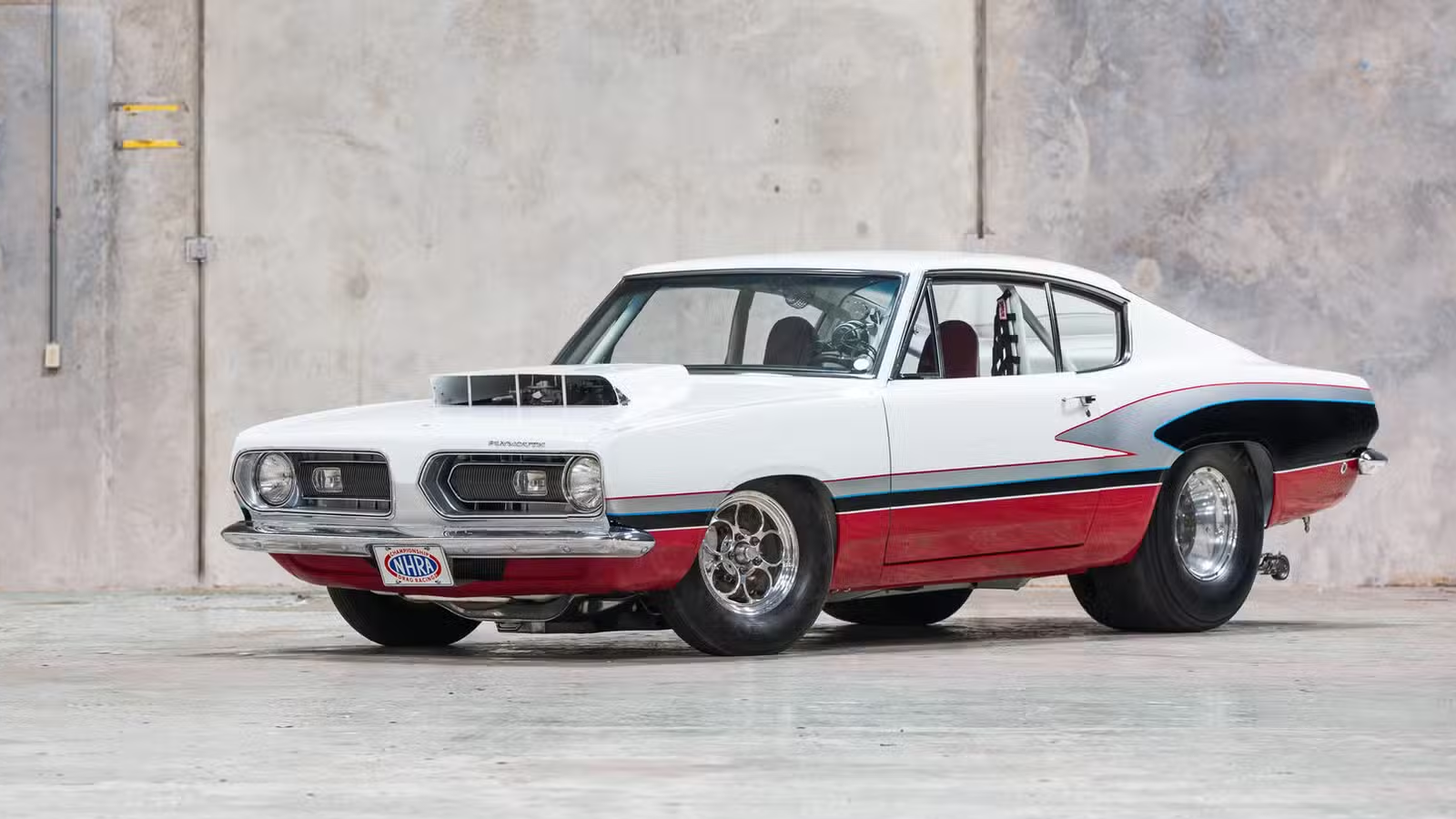
The 1968 Plymouth Barracuda B029 Super Stock was purpose-built for drag racing. Developed with assistance from Hurst Performance, it featured a reinforced chassis, fiberglass fenders, and lightweight acid-dipped steel doors to reduce weight. The 426 HEMI was paired with a stripped-down interior and a heavy-duty rear suspension. With proper tuning, these cars could run the quarter-mile in around 10 seconds, making them some of the fastest factory-built drag racers of their time.
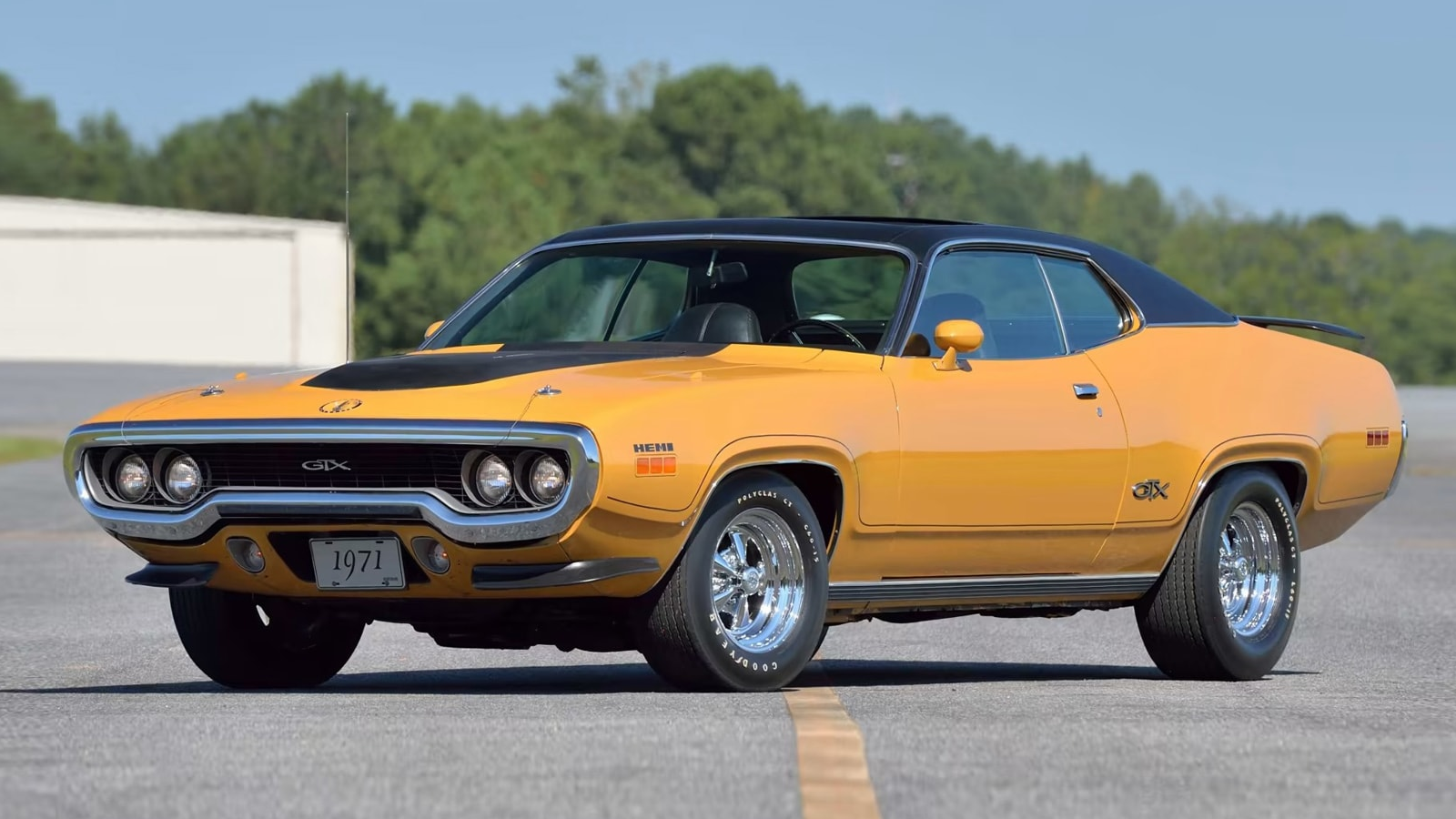
1971 Plymouth HEMI GTX (30 Units)
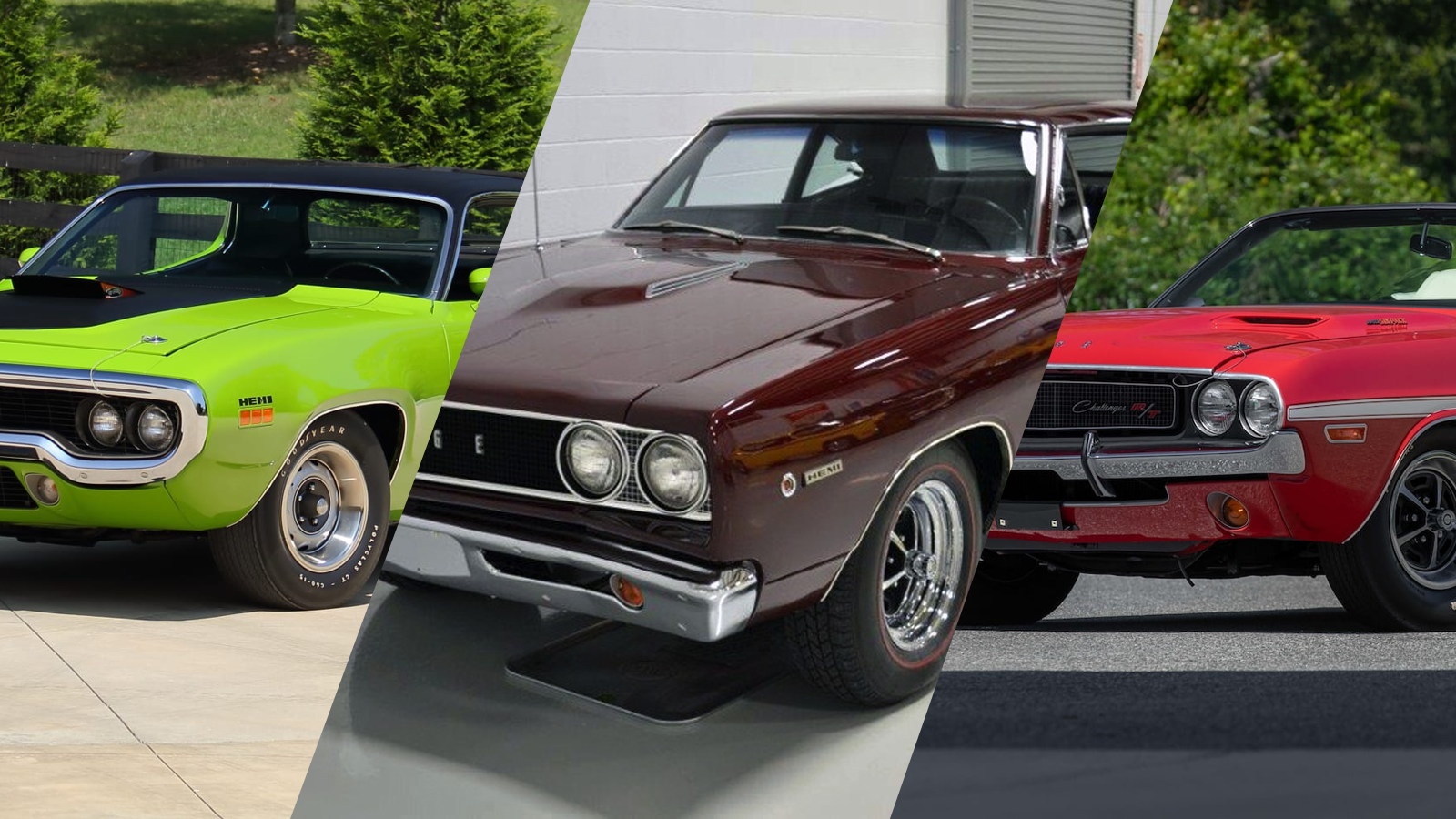
The GTX was often seen as a more refined muscle car, offering both luxury and high performance. By 1971, muscle car sales were declining, but the HEMI GTX still delivered uncompromising power with its 426 HEMI engine. Only 30 units were built with this setup. Unlike the Road Runner, the GTX was marketed toward an upscale audience, but buyers had to pay a hefty premium for the HEMI option. Most GTX models were sold with the less expensive 440 V8 instead.
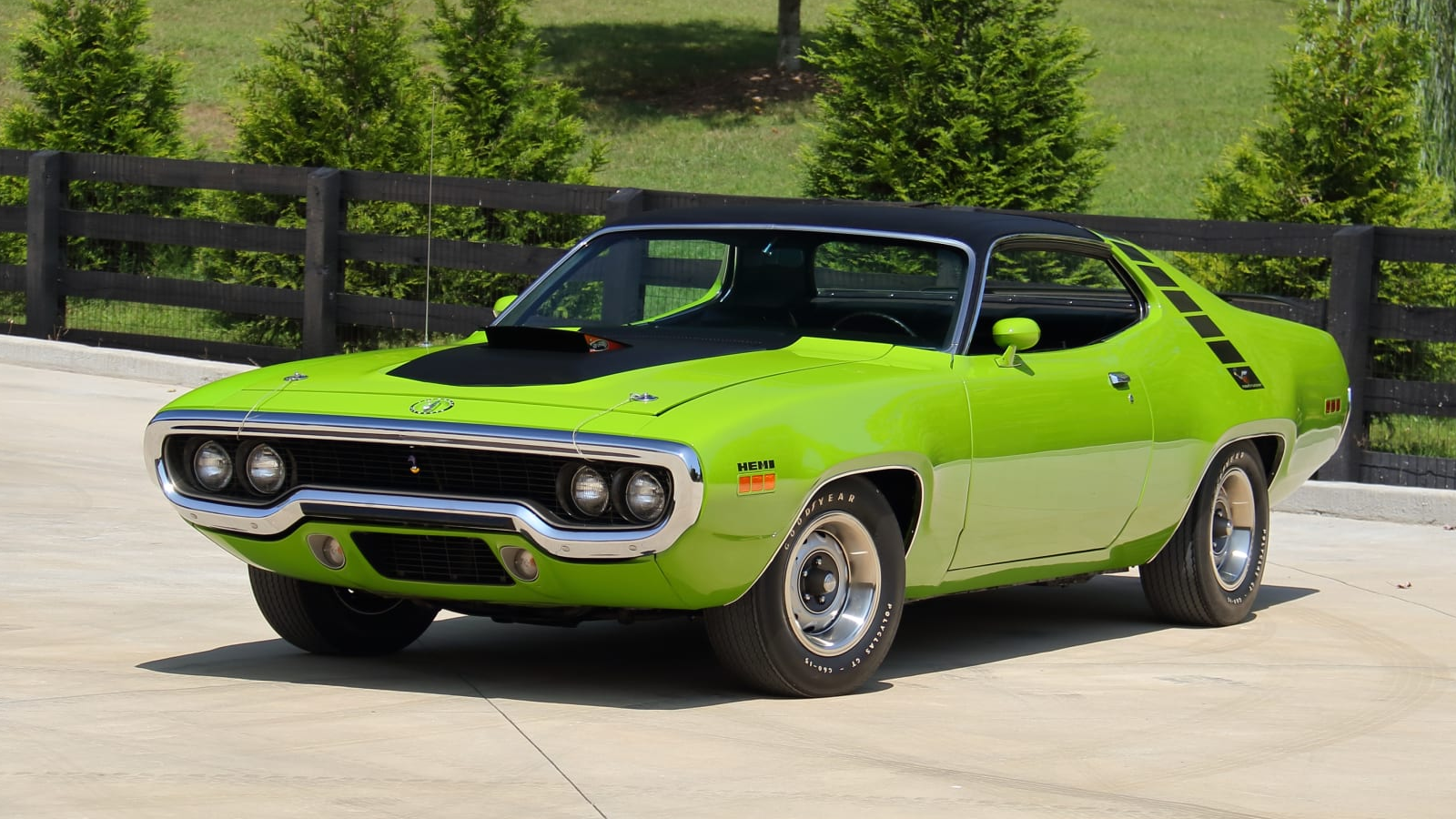
1971 Plymouth Road Runner HEMI (28 Units)
The 1971 Plymouth Road Runner underwent a major redesign, featuring a more aerodynamic body that improved high-speed stability. Only 28 units were built with the 426 HEMI and a four-speed manual transmission. Though the Road Runner was known for its simplicity and affordability, the high cost of the HEMI engine meant that very few buyers opted for it. Racing legend Richard Petty drove a race-prepped Road Runner to victory at the 1971 Daytona 500, further solidifying its reputation.
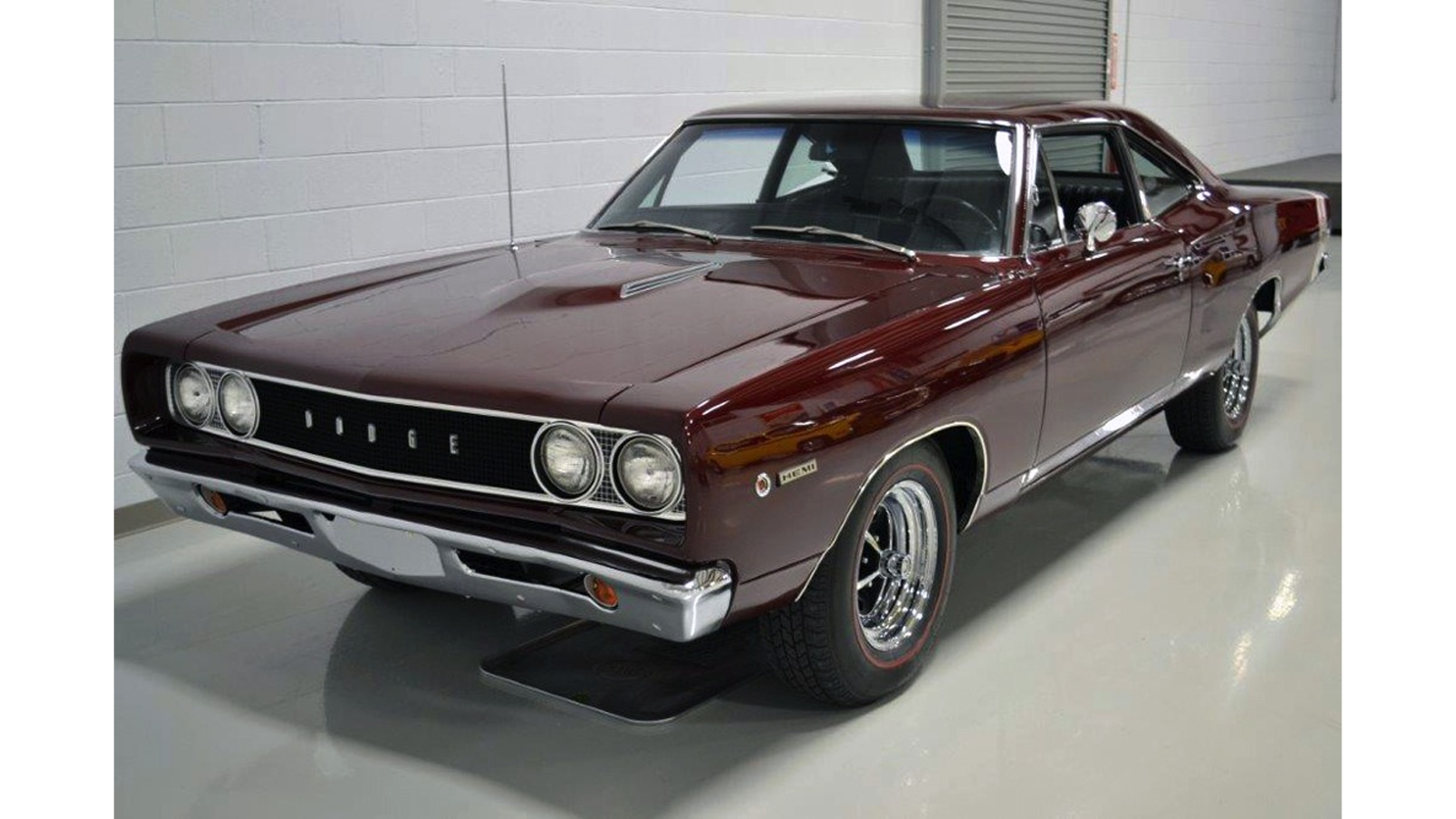
1968 Dodge Super Bee 426 HEMI (22 Units)
Derived from the Dodge Coronet and inspired by the Plymouth Road Runner, the Super Bee was a more affordable way to get Mopar muscle. However, only 22 units were ordered with the 426 HEMI in 1968, making it one of the rarest configurations. The Super Bee featured a no-frills interior, a bench seat, and a unique bumblebee stripe on the rear. It was heavier than the Road Runner, but its aggressive styling and powerful engine made it a standout.
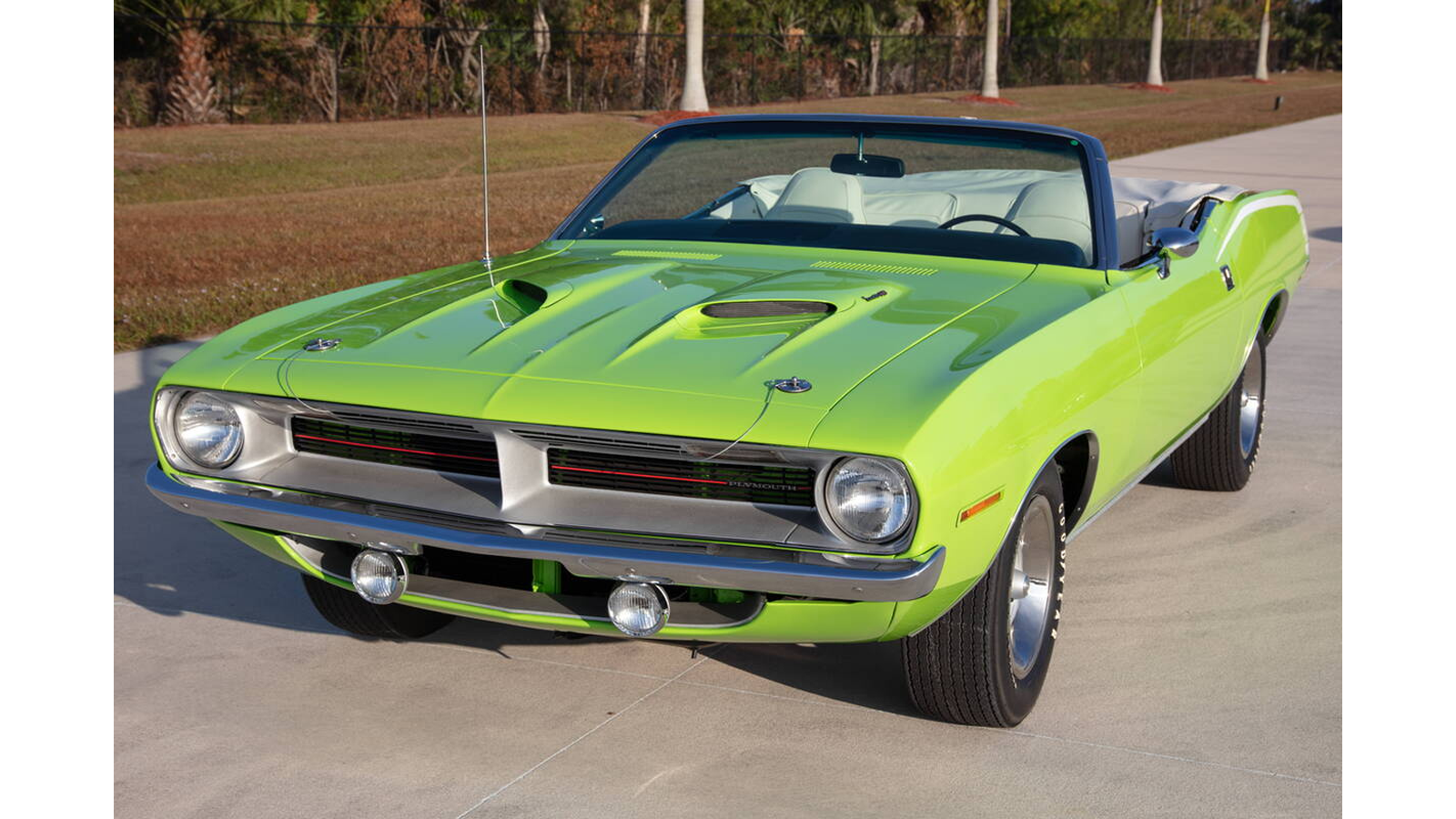
1970 Plymouth Hemi Cuda Convertible (21 Units)
The 1970 Plymouth Hemi Cuda is one of the most celebrated Mopars, but few realize just how rare the convertible version is. Out of 2,793 total Cuda convertibles, only 21 were equipped with the 426 HEMI, with 14 built in 1970 and seven in 1971. These cars were incredibly powerful for their time, producing a factory-rated 425 horsepower. The HEMI Cuda convertible has since become one of the most valuable muscle cars in history, with some examples selling for millions at auction.
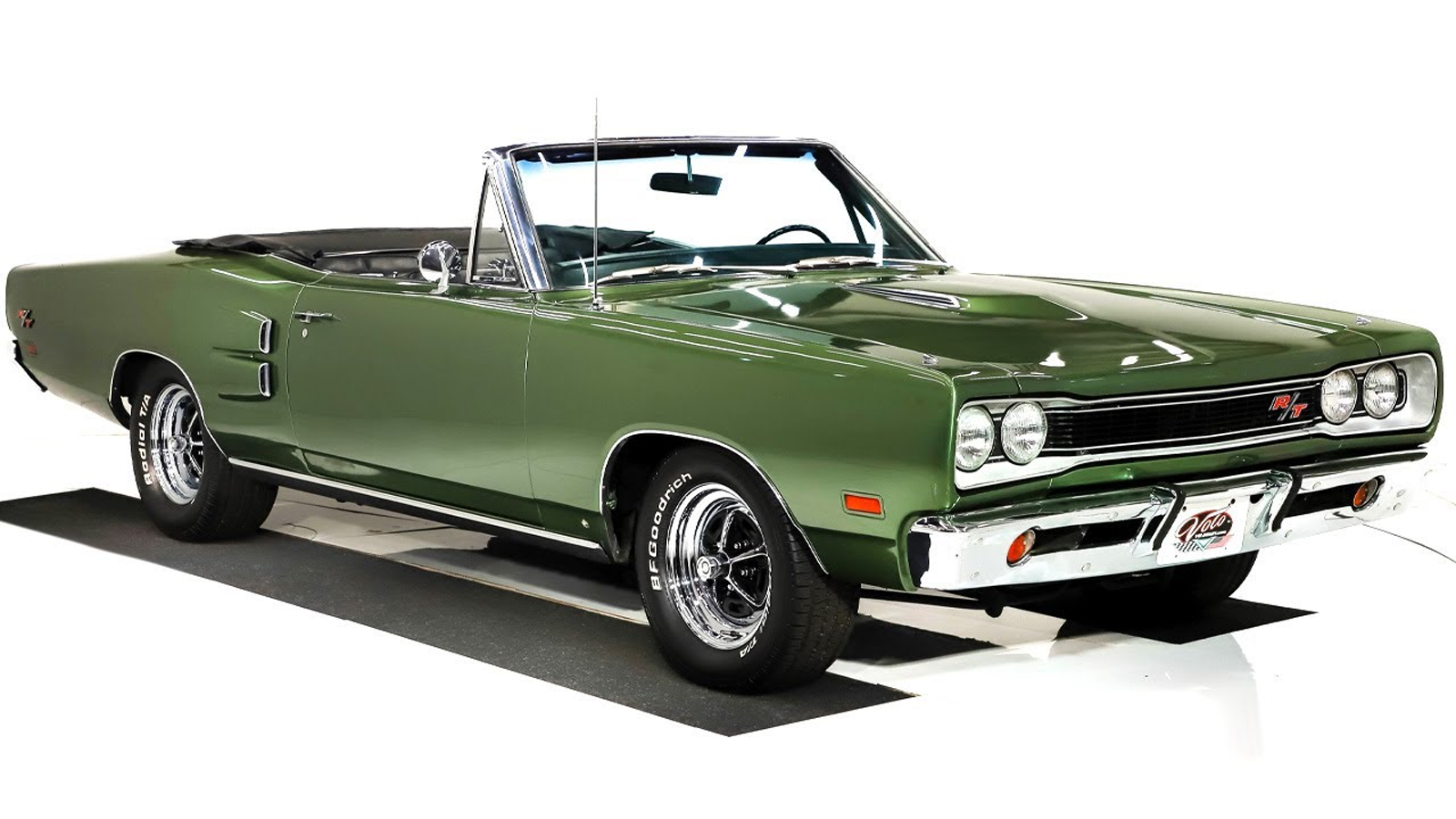
1969 Dodge Coronet R/T Convertible (10 Units)
Dodge introduced several updates to the Coronet in 1969, including a revised front fascia and dual scoops on the HEMI-equipped models. However, the high price of the convertible and the added weight deterred buyers, leading to only 10 R/T convertibles being built with the 426 HEMI. While drop-top muscle cars were generally seen as stylish, the loss of structural rigidity made them less appealing to serious drag racers. Today, these rare convertibles are highly sought after.
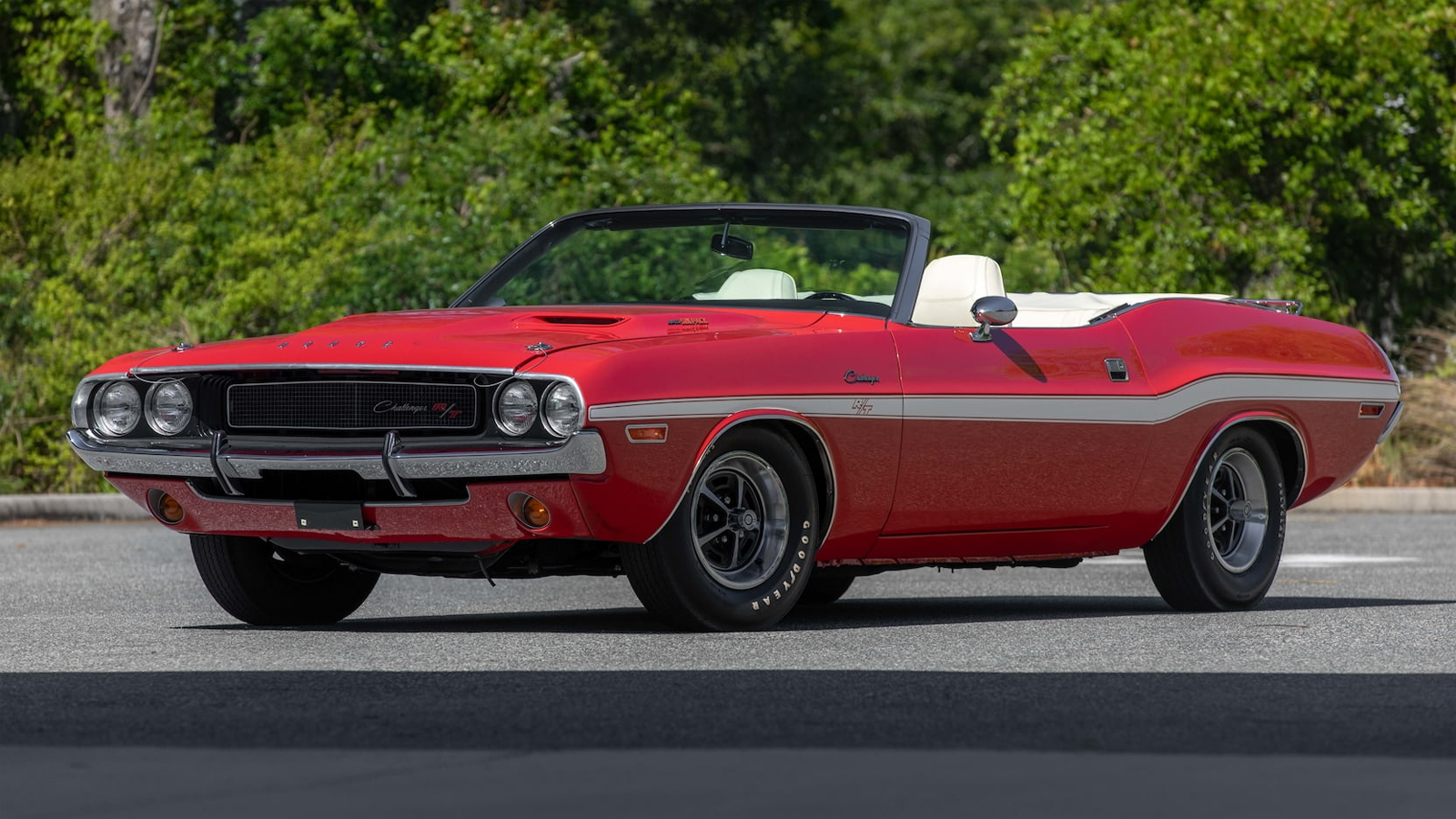
1970 Dodge Challenger R/T Convertible (9 Units)
The 1970 Dodge Challenger R/T was an aggressive-looking muscle car, but the convertible variant with the 426 HEMI was an extreme rarity. Only nine units were built, with five receiving a four-speed manual transmission. These cars featured R/T badging, a twin-scooped hood, and an optional rear spoiler. The interior was surprisingly upscale for a muscle car, offering faux wood-grain trim and tall bucket seats.
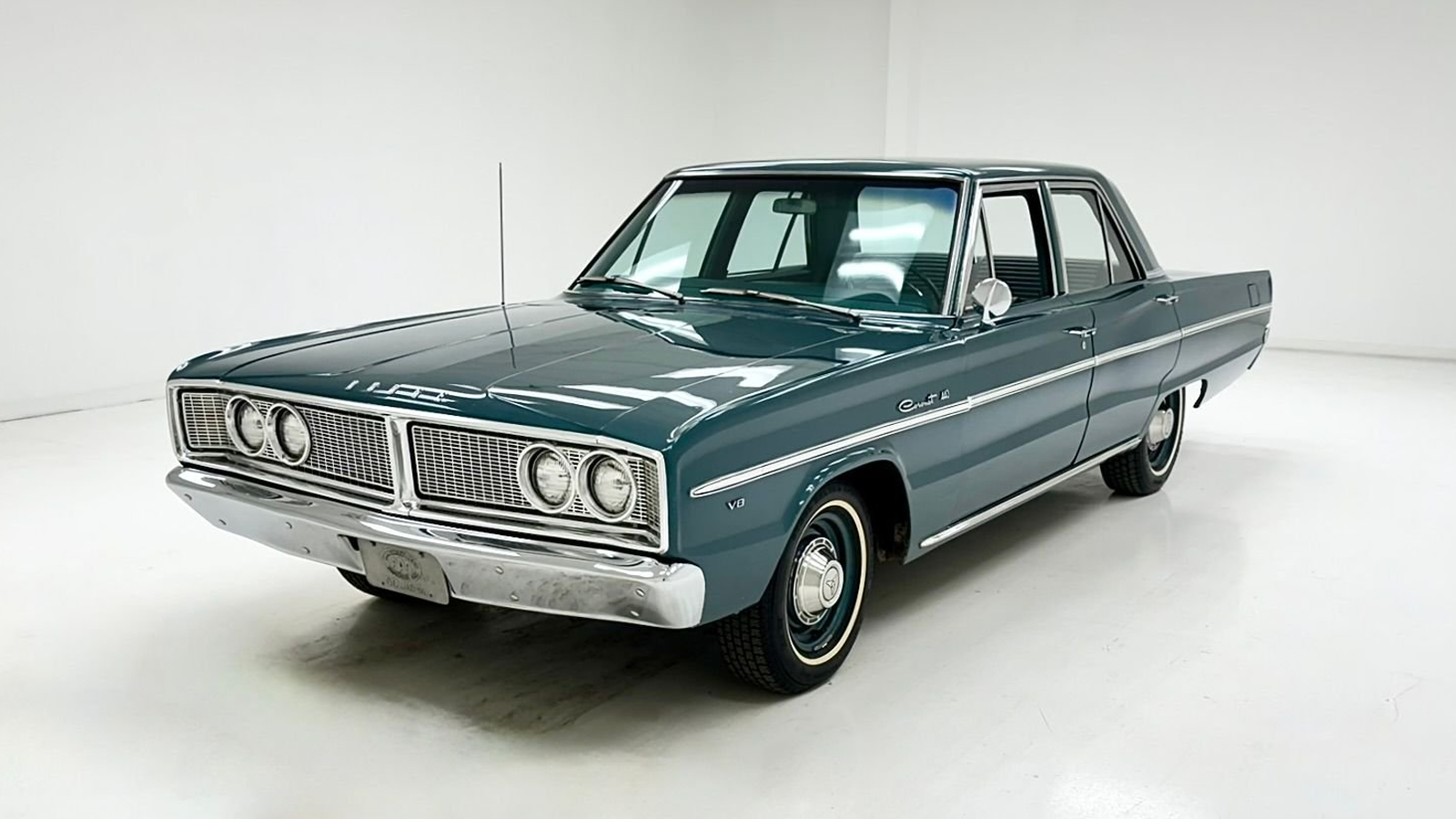
1966 Dodge Coronet Hemi 4-Door (5 Units)
While the Dodge Coronet is usually associated with two-door performance, a handful of sedans were built with the legendary 426 HEMI engine in 1966. With just five examples ever produced, this unassuming four-door was one of the earliest sleeper cars. Stripped of luxury features like power steering, power brakes, and air conditioning, it was all about raw performance. Reports suggest two were exported, two were used by the FBI, and just one was sold to the public.